
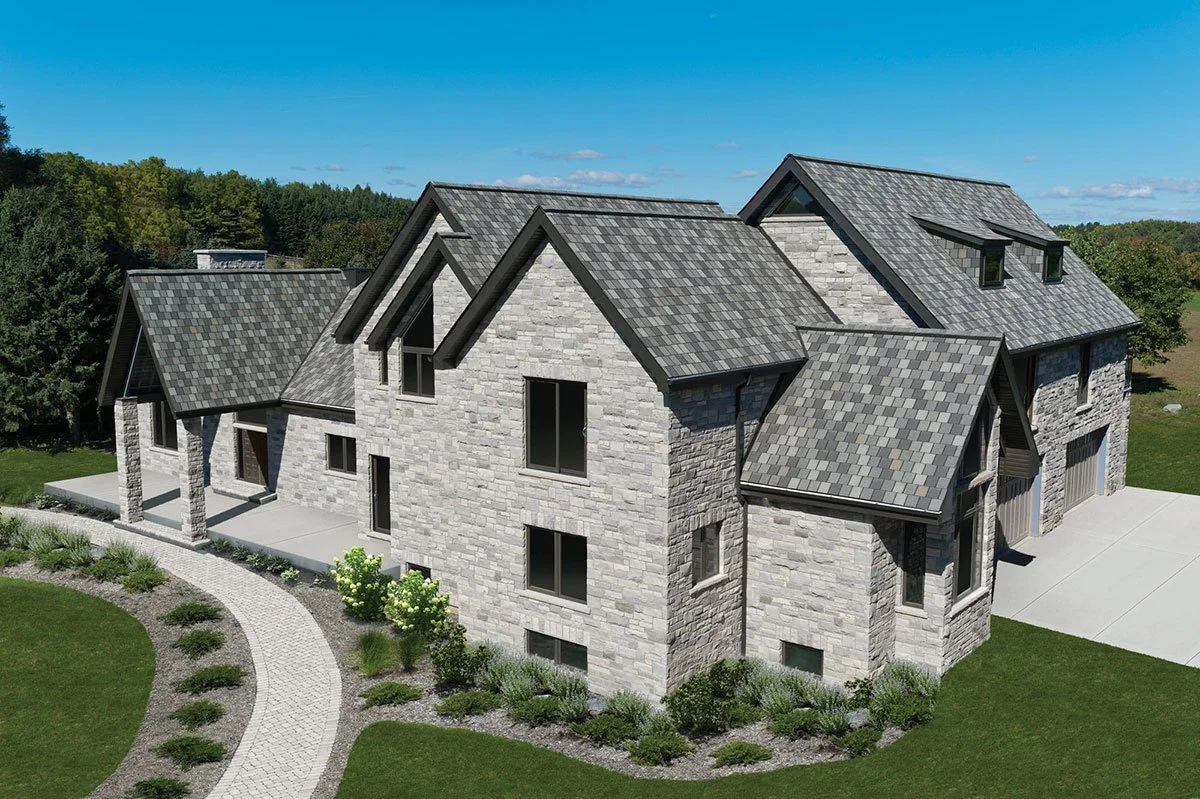
Business Owners: Read This Before Using a Drone
If you're using drones for inspections, marketing, or operations—even occasionally—you are likely operating under FAA commercial rules. Most businesses underestimate what’s actually required.
If your drone use benefits your business in any way, it is considered commercial. This includes roof inspections, construction progress photos, real estate marketing, and promotional content.
The pilot must hold a Remote Pilot Certificate under FAA Part 107—not just know how to fly.
- Studying airspace, weather, and FAA regulations
- Passing an in-person FAA knowledge exam
- Understanding controlled airspace and LAANC authorization
- Carrying proper liability insurance
- Developing real piloting skill—not just basic flight
For most businesses, this becomes time-consuming and unnecessary.
A very common mistake is assuming small or occasional use doesn’t count. If the drone flight supports your business—even indirectly—it is commercial use.
That means unlicensed operation is a violation, regardless of how simple the job seems.
The FAA can issue civil penalties for non-compliant operations, and liability exposure increases significantly if something goes wrong.
Insurance may not cover incidents involving unlicensed or non-compliant drone use.
Hiring a licensed, insured drone operator removes the burden of compliance, reduces risk, and ensures the job is done correctly.
It’s typically faster, more cost-effective, and far less risky than trying to handle it in-house.
Work with a licensed and insured drone pilot who understands FAA rules, airspace, and risk.
Contact a Licensed Operator →